CLICK PARA LLAMAR

Artificial Grass Installation for Sports Areas

There is No Better Turf than Artificial Grass for Your Sporting Activities

Installing artificial grass in sports areas, such as football pitches or tennis courts, is a rather popular choice nowadays. When you think about it, it is a brilliant solution for spaces that need to stay pristine, come rain or shine. This type of turf is specifically designed to withstand all kinds of wear and tear, from constant footfall to the wildest weather you can imagine. Now, let me walk you through how the installation works, because there are definitely a few steps you do not want to skip if you want everything to turn out right.

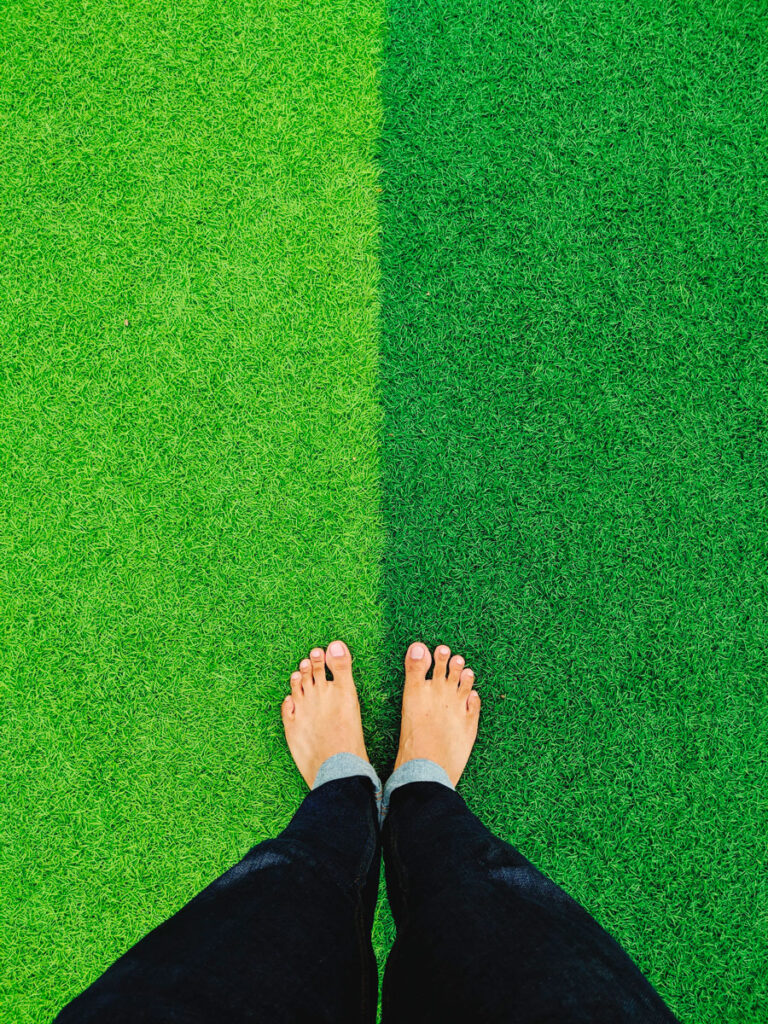
Pies sobre cesped artificial

Steps for Artificial Grass Installation in Sports Areas

1. Ground Preparation
This step is essential—do not skip it, because you will only regret it later. First, clear the ground completely, removing weeds, rocks, or anything else that might get in the way. If you need to dig out a massive stone, it is far better to do it now rather than once all the turf is laid on top. Next comes levelling. This is super important. If the ground is not properly levelled, you are going to end up with puddles or areas where water pools. And believe me, that is the last thing you want. An uneven pitch or court is a constant headache.

2. Creating the Sub-base
This is where the layer of gravel comes in, helping water to drain properly so it does not get trapped. It is recommended that this layer be between 5 and 10 cm thick. Afterwards, compact it thoroughly with a plate compactor—or, if you do not have one, with whatever you have to hand. The main thing is that it ends up nice, firm, and level.

3. Installing the Weed Membrane
This step might seem trivial, but if you do not want weeds starting to poke through the grass fibres, it is best to lay down a weed membrane. That way, you make sure you are not constantly battling against nature later on.

4. Laying the Grass
This is the most enjoyable step, in my opinion. This is when you start seeing the grass in place and things begin to take shape. You roll it out, cut it to the size you need, and make sure the pile direction is running the exact same way—that is what gives it that natural, uniform finish.

5. Securing the Turf
Once it is laid out, it is time to secure it so it does not shift, especially if it is going to get heavy use. For this, you use ground nails or U-pins, placing them every 20 to 30 cm. It seems like a lot of work, but it is crucial so it does not lift up or develop ripples.

6. Infill (Optional)
If you want the grass to have better stability and feel more natural underfoot, you can add a layer of silica sand infill. Spread it evenly across the entire surface, brushing it thoroughly between the fibres. This step is not mandatory, but if you can do it, all the better.

7. Final Brushing
Finally, give the turf a good brush against the pile to lift the fibres and give it a much more natural appearance. This brushing also helps the grass settle properly into place, smoothing out any minor imperfections that might have been left behind.

Benefits of Artificial Grass in Sports Areas

Let us face it, the great thing about this type of grass is that it can handle whatever you throw at it. It is built to withstand heavy, constant use and, into the bargain, the most extreme weather conditions. Meaning that if one day it is roasting hot and the next a storm hits, the turf will stay right where it is, without a murmur.

A key point is that you will always have an even surface, without those bumps and dips that crop up on natural grass after a good match. Plus, it does not matter if it is lashing down with rain or freezing cold, the performance will remain the same all year round. No more calling off matches due to a waterlogged or ruined pitch!

The savings aspect is quite important. You do not need to spend a fortune on water or maintenance. That means you can forget about mowing the lawn every week or having to water it every single day during the summer. You save time, money, and headaches.

Artificial grass tends to be safer, as its surface is non-slip. This significantly reduces the risk of injuries, which is always a concern when we are talking about contact sports. And while it is not foolproof, the truth is that it goes a long way towards preventing those awkward slips.

Another brilliant thing is that it works for loads of different sports. Football, hockey, golf… the exact same pitch can adapt to different types of play without any trouble. So if you are thinking about something multifunctional, this option is unbeatable.

Frequently Asked Questions about Artificial Grass for Sports Areas

    Contacto Atlas Padel

    ¿Listo para mejorar tu hogar con césped artificial en Alicante? No esperes más. Contáctanos para solicitar un presupuesto sin compromiso y consulta con nuestro equipo sobre las mejores opciones para tu jardín, terraza o área de juegos. ¡Estamos aquí para ayudarte!

    Dirección

    Calle Béjar, 14 derecha, 03013, Alicante, España.

    Email: info@atlaspadel.com

    Teléfono: +34 651 682 768

    Horario: 08:00am - 08:00pm

    Envíanos tu mensaje