


Benefits of Artificial Grass in Sports Facilities
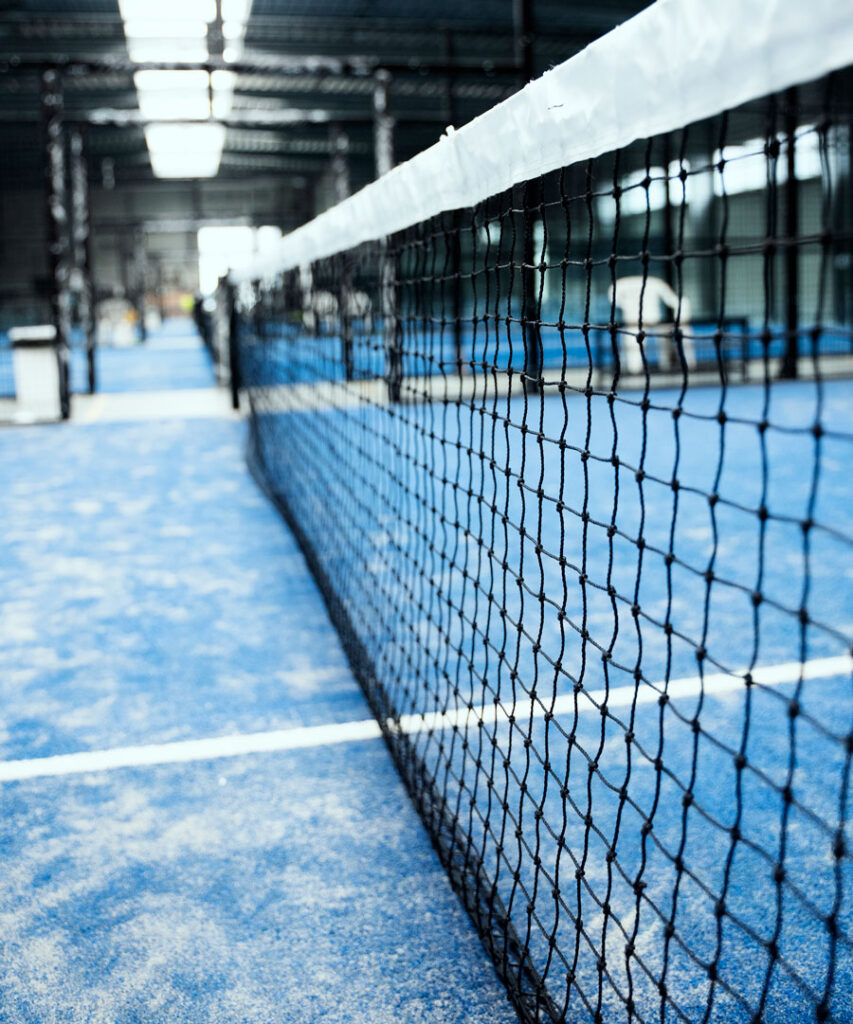
On any pitch or court—whether football, rugby or padel—the grass has to take whatever is thrown at it. And artificial grass is built specifically for that: handling constant heavy use without breaking down. No bare patches or worn-out spots spoiling the pitch, which is a real relief. Natural grass starts showing bare patches the moment you take your eye off it, whereas with this it does not happen.
This is one of the things players value most. Artificial grass is designed to absorb impact better, which is vital, especially in contact sports like football or rugby. It also helps reduce the risk of falls because it is slip-resistant, which is always an advantage when you are moving at full speed.
Another strong point is how easy it is to maintain. If you have ever had to look after natural grass, you will know that when it rains heavily or not a single drop falls, keeping it in good condition is hard work. With artificial grass, none of that—no watering, no mowing and no worrying about fertilisers. It only needs a light brush now and then, and you are good to go.
People do not always talk about it much, but the drainage system on artificial grass is genuinely top-notch. After heavy rain, it dries in no time, so players can get back on the pitch without puddles or slippery spots.
Not only are you saving water, which matters more than ever nowadays, you also cut down on fertilisers and pesticides—not great for the environment either when you stop to think about it. Ultimately, it is a more sustainable choice that saves the sports facility money too.